
Property Tax Exemptions and Relief Programs: Your Complete Guide to Paying Less in 2026
Did you know that millions of American homeowners overpay on their property taxes every year — simply because they don't know what exemptions and relief programs they qualify for? Property taxes are often the largest recurring expense for homeowners, and yet most people never question them.
At TaxReliefProperties.com, we believe every homeowner deserves to pay their fair share — and not a penny more. This guide covers the most important property tax exemptions, relief programs, and reduction strategies available in 2026, so you can keep more money in your pocket.
What Is a Property Tax Exemption?
A property tax exemption reduces the taxable value of your property, which directly lowers your tax bill. Exemptions are granted by state and local governments for a variety of reasons — from primary residency to disability status to veteran service. Most exemptions must be applied for; they're rarely applied automatically.
The Most Common Property Tax Exemptions
1. Homestead Exemption
The homestead exemption is the most widely available property tax benefit in the US. It applies to your primary residence and reduces the property's assessed value for tax purposes. The amount varies significantly by state — some offer flat dollar reductions, while others provide percentage reductions.
• Texas: Up to 20% reduction off the school district appraisal
• Florida: Up to $50,000 deducted from the assessed value
• California: $7,000 reduction in assessed value for owner-occupied homes
• Illinois (Cook County): Reduction in equalized assessed value capped at $10,000
To qualify, the property must be your primary residence as of January 1st of the tax year in most states. You typically apply once and the exemption renews automatically each year.
2. Senior Citizen Property Tax Exemption
Many states and counties offer significant property tax reductions or freezes for homeowners over a certain age (typically 65). Some programs freeze the assessed value of the home, while others reduce the tax rate or provide a direct credit.
• Senior tax freeze programs lock in your assessed value, protecting you from rising market prices
• Income-based senior exemptions provide larger relief to lower-income seniors
• Senior deferral programs allow taxes to be paid from estate proceeds rather than current income
3. Veterans and Disabled Veteran Exemptions
Honorably discharged veterans and their surviving spouses may qualify for property tax exemptions in most states. Disabled veterans, particularly those with service-connected disabilities, often receive the most generous benefits:
• Veterans with 70%+ service-connected disability may receive full property tax exemptions in states like Texas
• Illinois exempts veterans with 70%+ disability from property taxes on the first $250,000 of assessed value
• Many states offer partial reductions based on disability percentage (30%, 50%, 70%, 100%)
4. Disability Exemption
Homeowners with qualifying disabilities — as defined under the Americans with Disabilities Act (ADA) or state-specific criteria — may receive property tax reductions similar to senior exemptions. Documentation from a licensed physician or government disability determination is typically required.
5. Agricultural and Conservation Exemptions
If your property is actively used for farming, ranching, timber production, or conservation purposes, it may be eligible for current-use assessment — meaning it's taxed based on its agricultural value rather than market value. This can result in dramatic reductions for qualifying rural properties.
6. Homestead Improvement Exemption
Many states offer temporary exemptions for homeowners who make qualifying improvements to their primary residences. For example, Illinois exempts improvements for up to four years after the project is completed and occupied. This incentivizes home maintenance and renovation without immediately penalizing homeowners with higher tax bills.
Property Tax Relief Programs Beyond Exemptions
Property Tax Deferral Programs
Deferral programs allow qualifying homeowners — typically seniors or those with low incomes — to postpone paying property taxes until the home is sold or transferred. Interest may accrue on the deferred amount, but this can be a valuable option for homeowners who are "house rich but cash poor."
Circuit Breaker Programs
Circuit breaker programs cap property taxes as a percentage of income, providing automatic relief when taxes become disproportionate to what a homeowner earns. If your property taxes exceed a certain percentage of your household income, the state provides a credit or rebate for the excess amount.
Property Tax Appeals
If you believe your property has been over-assessed — meaning the county has assigned it a higher value than it's actually worth — you have the right to appeal. A successful appeal can reduce your taxable value and lower your bill for years to come.
The appeal process typically involves:
1. Reviewing your property's assessment notice when it arrives (usually mailed annually)
2. Comparing your assessed value to similar properties (comparables) in your neighborhood
3. Filing a formal appeal with your county assessor's office before the deadline
4. Presenting evidence at a hearing (recent appraisal, comparable sales, photos of property defects)
💡 Pro Tip: Many property tax appeal firms work on contingency — meaning they only charge a fee if they successfully reduce your taxes. This makes appeals low-risk for most homeowners.
How to Apply for Property Tax Exemptions
Qualifying for an exemption doesn't happen automatically in most cases — you have to apply. Here's what to do:
• Contact your county assessor's office. Ask what exemptions are available for your situation (primary residence, age, disability, veteran status, etc.).
• Gather required documentation. This may include proof of residency, birth certificate, VA disability rating letter, or income verification.
• Submit before the deadline. Most exemptions have annual application deadlines, often in the first quarter of the year.
• Reapply if your situation changes. If you move, your income changes, or your disability status is updated, notify your assessor's office promptly.
What Happens If You Don't Pay Property Taxes?
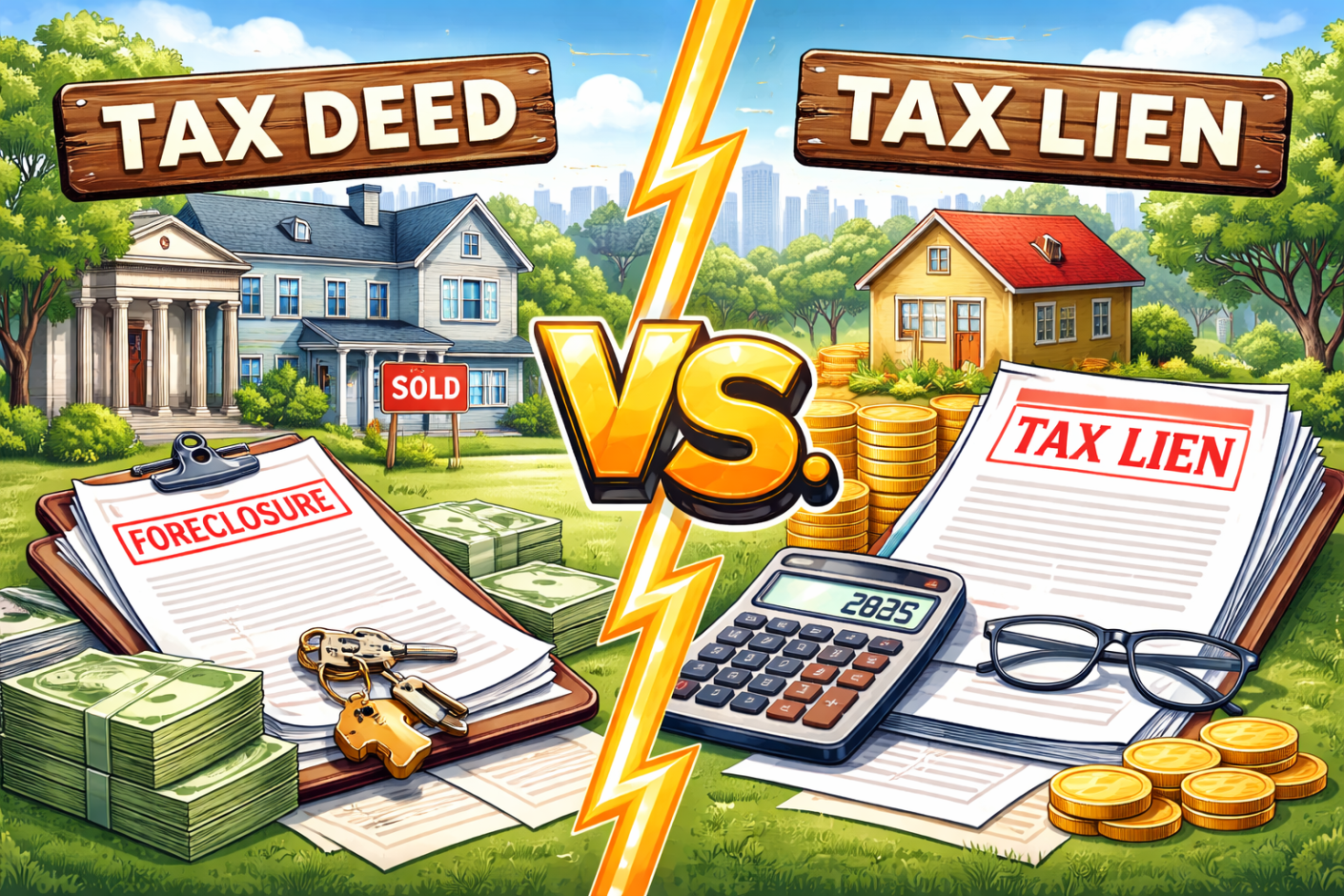
If property taxes go unpaid, consequences escalate over time — from penalty fees and interest charges, to a tax lien being placed on the property, to eventual tax deed sale. Understanding what happens when taxes go delinquent is important for both homeowners and investors.
For homeowners facing financial hardship, learning about propery relief tax programs early is critical to avoiding foreclosure.
For investors, delinquent properties represent opportunity.
Final Thoughts
Property taxes are one of the most significant costs of homeownership — but they're also one of the most manageable, if you know the right strategies. From homestead exemptions to senior freezes to formal appeals, there are numerous legal, legitimate ways to reduce what you owe.
The key is taking action. Most exemptions require an application, and many have strict deadlines. Don't leave money on the table because you didn't know you qualified.
Explore all available property tax relief programs in your state, find your local county assessor's resources, and access our full guide library at TaxReliefProperties.com.
Latest Post